
Categories
BuyingPublished August 13, 2026
What To Know When Getting Your Home Inspected

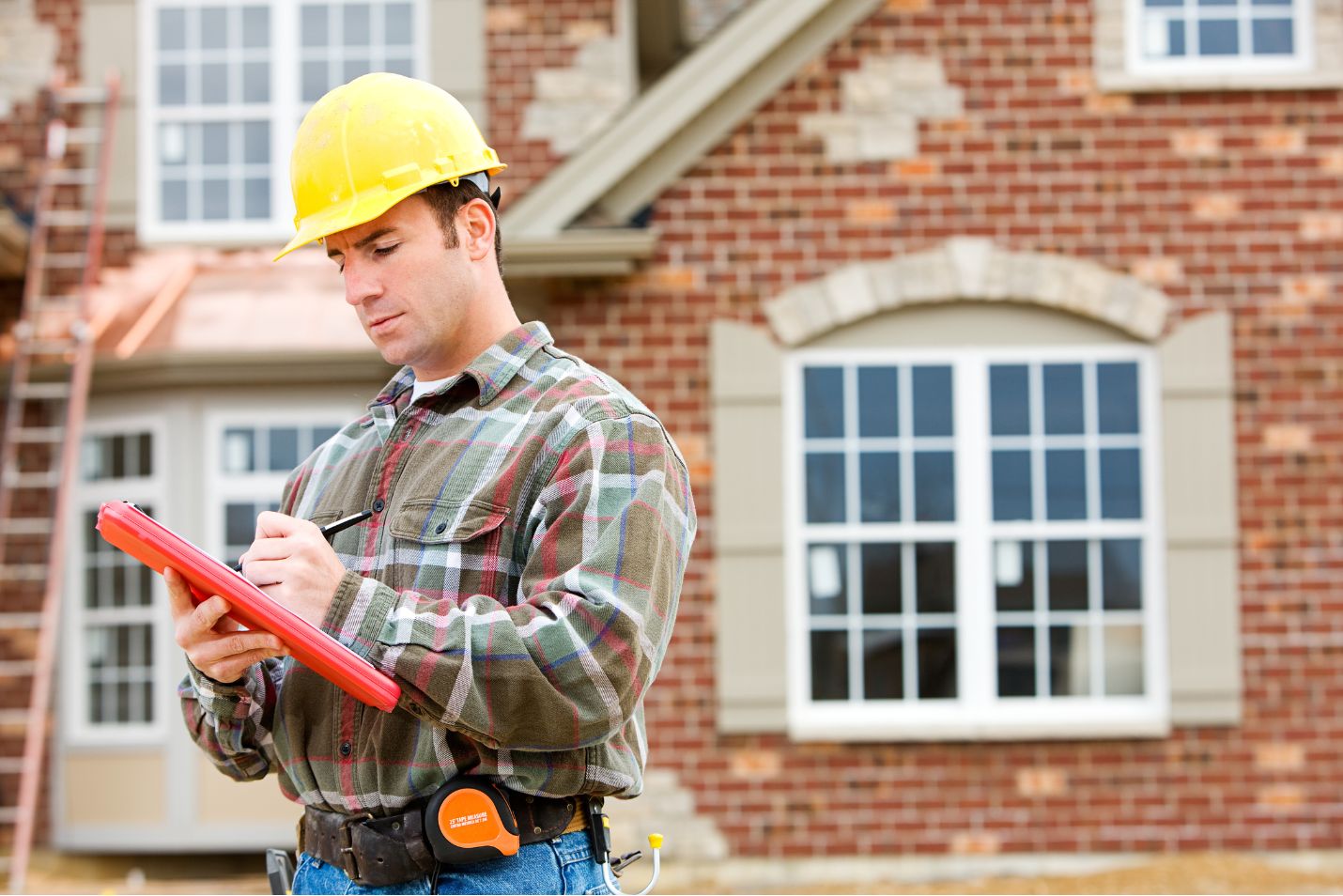
The Ultimate Home Inspection Cheat Sheet: Questions You Should Always Ask
A home inspection is easily one of the most critical steps in buying a property. While a 40-page technical report packed with photos and jargon can feel overwhelming, attending the walkthrough and asking the right questions turns that document into a clear roadmap for your investment.
Here are the key questions to ask before, during, and after your inspection to make sure nothing gets missed.
1. Before You Start: Setting Expectations
Before the inspector opens a single panel or climbs onto the roof, clarify what's included in the scope.
- "What is included in this standard inspection, and what requires a specialized assessment?"
Standard inspections cover structure, roof, plumbing, electrical, and HVAC. However, issues like radon, mold, sewer lines, chimney flues, or pest infestations often require separate add-on inspections. - "Can I follow you around during the walkthrough?" A good inspector wants you there. Walking the house together lets you see issues firsthand rather than trying to decipher photos in a report later.
2. On the Walkthrough: Uncovering the Big Picture
As you move through the basement, attic, and main floors, focus on understanding the scope and severity of whatever you find.
- "Is this a safety hazard, a structural issue, or standard cosmetic wear?" Inspectors flag everything from a missing outlet cover to a cracked foundation wall. Asking them to categorize findings helps keep minor DIY fixes from causing unnecessary panic.
- "What are the major systems approaching the end of their lifespan?"
- Roofing: How many years of life are realistically left on these shingles?
- HVAC: How old is the furnace/AC unit, and are there signs of deferred maintenance?
- Water Heater: Is it rusting or past its typical 10–12 year lifespan?
- "Are there any signs of past or active water intrusion?" Water is a home’s worst enemy. Ask specifically about staining in the basement, around windows, under sinks, and near roof valleys.
3. Getting Practical: Maintenance & Repairs
Use the inspector's expertise to understand what living in the house will actually look like day-to-day.
- "If this were your house, what would you fix first?" This question cuts through the technical jargon. It helps you build an immediate top-priority repair checklist for post-closing.
- "Where are the main shut-off valves and service panels?" Ask the inspector to point out:
- Main water shut-off valve
- Main electrical panel & main breaker
- Gas shut-off valve
- "Do I need to call a specialist for further evaluation?" If the inspector notices sagging joists, outdated wiring (like knob-and-tube or aluminum), or a failing sewer pipe, ask whether a structural engineer, electrician, or plumber should inspect it further before your contingency window expires.
4. After the Report Arrives: Next Steps
Once you receive the written report (usually within 24–48 hours):
- "Can you clarify this specific photo or item on page X?" Don't hesitate to call or email with follow-up questions. A quick 5-minute phone call can clear up any misinterpretations before you negotiate repairs or credits with the seller.
Pro Tip for Buyers
Keep a notepad or phone handy to record brief videos as the inspector explains complex mechanics (like how to operate the HVAC damper or main water line). Having those clips later will save you hours of guesswork once you move in.

Brandon Gartner
Team Lead, Realtor® | Gartner Real Estate Team | Keller Williams Realty
or another way